Tomato stew is to a Ghanaian, what Passata is to an Italian. The Ghana Tomato stew recipe calls for the use of both fresh Tomatoes, Tomato purée and spices. The mixture is cooked and fried in oil, till the oil separates from the Tomatoes.
I've opted to use Groundnut oil for this recipe, however use whatever oil you can afford.
This classic sauce accompanies various dishes including boiled Yam, Kenkey, Banku, Waakye, Rice to mention but a few.
The flavour of the stew can be changed depending on the type of spices and herbs you incorporate into the dish.
Shallots are best used for this stew however you can use any other Onions instead.
The Shallots from Ghana are much smaller, sweeter and they lend this stew its distinctive flavour. They're fiddly to peel, however they're worth the addition.
Most people add stock cubes to their Jollof stew, however I omitted it from this recipe and used Aniseed (Sukoni) instead. If you're using stock cubes, this recipe works perfectly with the Shrimp cube.
The best chilli to use for this sauce is locally known as 'Kpakpo shito'(Pettie Belle). The chilli adds a perfumery and distinct taste to the stew. It's not as hot as Habanero chillies. In the absence of the Pettie Belle chilli, I've used Habanero for this recipe. Adjust the chilli quantity to your taste preference.
You can use any type of fresh Tomatoes you prefer, however I prefer to use Plum Tomatoes.
Plum Tomatoes have less water content and allows for a quicker cooking time.
The best Tomatoes are the sun ripened types, which are readily available in Ghana. You can use Tin Tomatoes if you don't have access to fresh Tomatoes for this recipe.
This recipe requires extended cooking times for each addition, till the oil separates. It's imperative this method is followed for the perfect stew.
The slow cooking of the Onion and Ginger mix, intensifies its flavours, which in turn infuses into the Tomato purée.
The sweetness of the Onions will take away any metallic taste (that Tomato purée in a tin) usually has, away from the stew.
Please ensure you cook on a medium heat at all times and keep stirring to prevent the stew from burning.
Tip
When using Tomato purée, mix it with a little water and fry till it separates from the oil.
I find the stew is more flavoursome after 24hrs. This allows the flavours to infuse naturally.
You can change the flavour of the stew by adding fresh herbs like Thyme, Marjoram, Coriander, Parsley etc or spices such as Curry powder, All mixed spice with a Pimenton spice base, smoked Paprika, African Nutmeg etc.
Preparing and making this Tomato stew is time consuming and can be a messy affair.
It's best to double or triple the recipe measurements when making the Tomato stew to save you from the repeated hassle.
Once cooked, portion it into individual containers and freeze till when a recipe requires it.
Ingredients
400g of fresh Plum tomatoes
80g of Tomato purée
2 large Ramiro Peppers or Red Peppers
1 Habanero chilli or 10 Kpakpo Shito
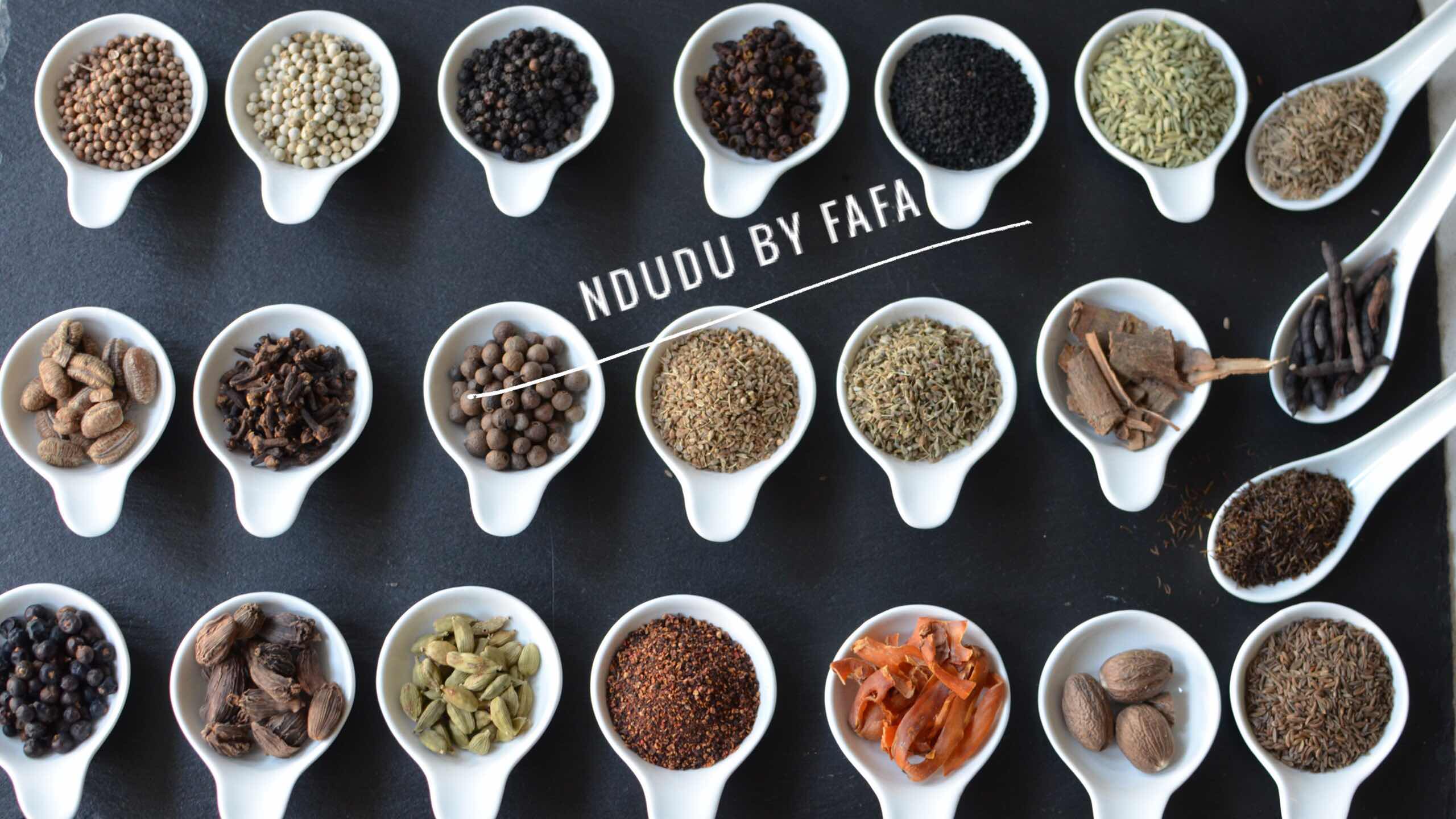
1 tablespoonful of Aniseed (Sukoni)
30g of peeled and chopped Ginger
4 large roughly chopped Shallots or 2 large Onions
30ml of Groundnut oil/ Rapeseed oil/ Coconut oil
Half a teaspoon of ground Mace, African Nutmeg or Nutmeg
1 tablespoonful of dried Oregano
3 bay leaves
3 Grains of Selim (Hwentia)
2 shrimp stock cube (optional).
Salt to taste
Watch how to create this naturally flavour packed dish on my YouTube channel, ‘Ndudu by Fafa’ below;
Don’t forget to subscribe, try the recipe, leave comments with your feedback and share.
All photos, recipes and videos are by the owner of this blog.
The second episode for the ‘Spice series’ on my YouTube channel, ‘Ndudu by Fafa’ talks about the spice ‘Carom or Ajwain’, the benefits and how to incorporate it in a recipe.
The video also includes how to marinate and steam your Meat (a popular request from my followers). If you are new to cooking (a beginner),foodie, home cook or a Chef, then these series will inspire you.
Learn how to use spices and create new flavours by subscribing to my YouTube channel, ‘Ndudu by Fafa’and watch the educational series.
Carom seeds (more of a seed like fruit), helps with reducing acidity in the gut, improves digestion, is anti-inflammatory (reduces pain) including headaches, toothaches, sore throats, used as an Insect repellent etc however one shouldn’t consume more than 10g a day.
Side effects:
Excessive consumption (10g a day) can cause mouth ulcer, burning sensations etc
Please consult your Doctor before consumption.
Please avoid if you suffer from Stomach Ulcer, Internal bleeding, Ulcerative colitis and Mouth Ulcer.
INGREDIENTS
1kg of Goat Meat
Marinade:
20g of Ginger
1 medium sized Onion
Half a teaspoon of Carom seeds
1 teaspoonful of Aniseed
15g of smoked Red chillies
2 pod of African Nutmeg
1 whole Habanero Chilli
PEPPERED GOAT MEAT
1 tablespoonful of cold pressed Organic Coconut oil
1 large Onion
1 teaspoonful of Red Chilli flakes
6 Chocolate mint leaves (Optional)
Salt to taste
CHOCOLATE MINT HERB (My next blogpost will be about this wonderful herb).
Please note this is a spicy recipe and its best served with Yoghurt, Lime or Lemon wedges. Best served with boiled Jasmine rice👌🏾
Watch how to prepare this dish below and don’t forget to leave a comment with your experience.
Don’t forget to subscribe, like the videos, try the recipes and share.
All photos, videos and recipes are by the owner of this blog.
The first in the series of ‘How to incorporate spices into your dishes’ (available on my YouTube channel), ‘Ndudu by Fafa’ starts with this crispy skinned and moist grilled Chicken recipe, with the African Nutmeg been the spice of the day.
African Nutmeg,(also known as,Calabash nutmeg,Jamaican nutmeg, Ehuru, Ariwo, Awerewa, Ehiri, Airama, African orchid nutmeg, Muscadier de Calabash and Lubushi) smells and tastes like Nutmeg, however it has more of an aromatic undertone in its flavour.
African Nutmeg which originates from West Africa can also be found in Angola, West Kenya and of course Jamaica due to the slave trade.
The African Nutmeg tree as a whole has many benefits including being used for household joinery, the bark for medicinal purposes such as treating Hemorrhoids, leaves as an insect repellent and the seeds are used to treat headaches, constipation, diabetes, jewellery to mention but a few.
In conclusion the African Nutmeg is a perfect replacement to Nutmeg and can be used the same way one would use Nutmeg.
Please note excessive consumption of Mace, Nutmeg and the African Nutmeg can lead to nausea and in a worst case scenario death. Please seek your Doctors advice before consumption, especially if you have any underlining ailments.
In preparation for this spice series I asked my followers on both Instagram and Facebook which spice grinder they preferred. Resoundingly the ‘Ghana Asanka ‘ was chosen, which I found bizarre due to the tedious nature of grinding most dried spices in it.
Personally, I think the Asanka (Ghanaian clay bowl with internal ridges) is best for making Salsas and Marinades.
The best traditional option in my opinion is the stone grinder or better still the electric spice grinder for its ease.
Learn how to incorporate this fragrant spice to your dishes. As part of the first episode I made a crispy skinned and moist grilled Chicken recipe infused with African Nutmeg. You will need;
INGREDIENTS
6 African Nutmegs or 1 teaspoonful of blended African Nutmeg Powder
1 tablespoonful of Aniseed
1 large Onion
5 cloves
10 Pimento spice (All Spice)OPTIONAL
2 tablespoonfuls of Olive oil
1 tablespoonful of smoked Paprika or 1 large blended char grilled Red Pepper
20g of Ginger
1 teaspoonful of Vinegar or Juice of 1 Lime or Lemon
Salt to taste
Watch how to marinade and grill a moist and crispy skin Chicken below on my YouTube channel, ‘Ndudu by Fafa’.
Don’t forget to subscribe, like the video, try the recipe and leave comments of your feedback.
All photos, recipes and videos are by the owner of this blog.
Variety they say is the ‘SPICE of life’. With this notion I’m filming a series of how to add spices and new flavours to your everyday dish.
The series covers the benefits and side effects of spices, which spice to use for whatever flavour you want and how recipes using the spice of the week in question.
On this first episode I talk about the African Nutmeg (which is an inexpensive alternative to Nutmeg) its benefits, side effects and how to incorporate it into a recipe.
Watch how I made the famous West African nutty spice rub known as ‘Suya’ inclusive of the African Nutmeg for an aromatic and sweet taste below;
Watch how I incorporated the African Nutmeg in my grilled Chicken recipe below on my YouTube channel, ‘Ndudu by Fafa’.
Don’t forget to subscribe, like the videos, try the recipe and share. I love to hear your feedback when you do try the recipe.
All photos, recipes and videos are by the owner of this blog.
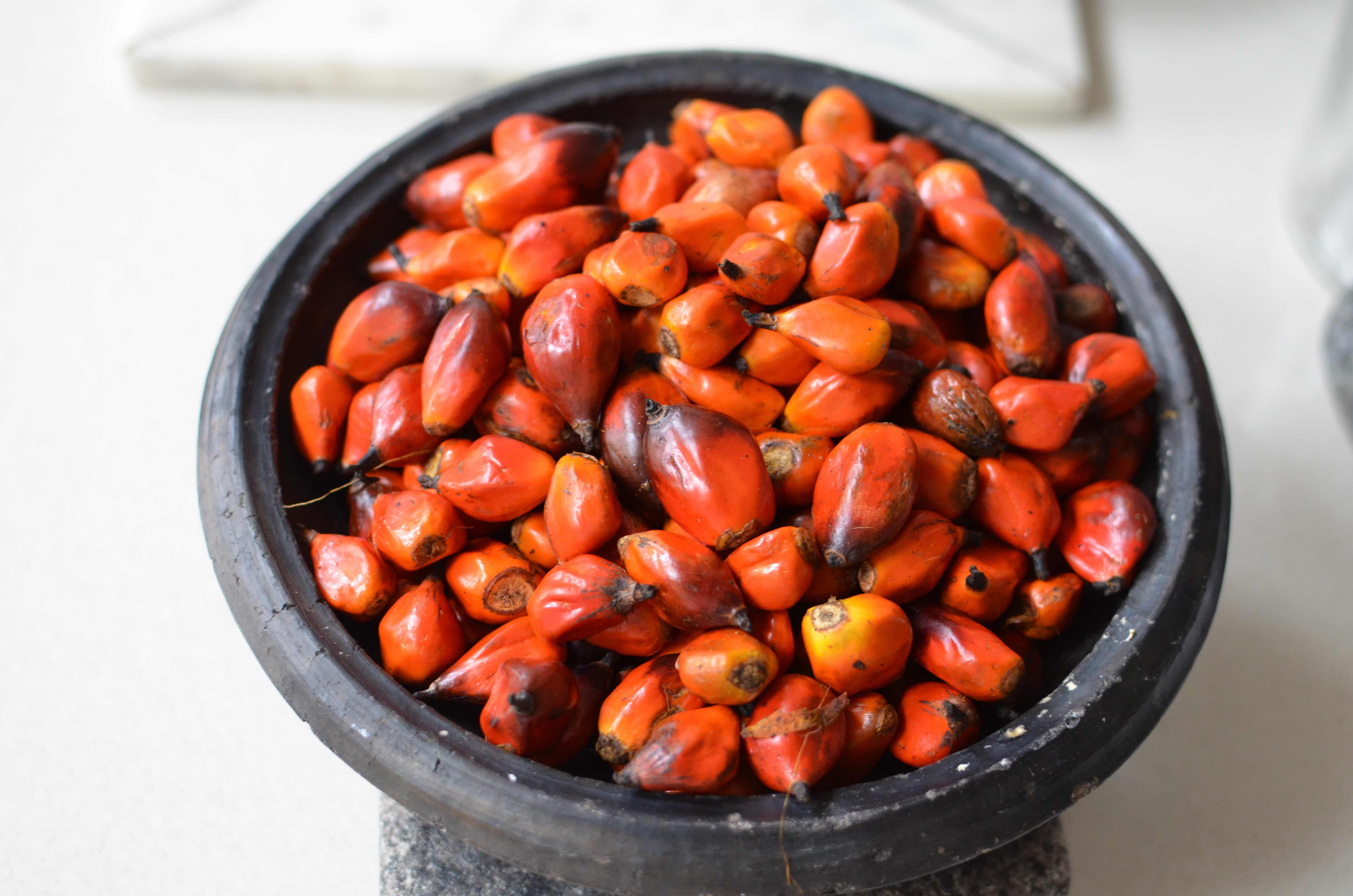
Thanks to EZ Palmnut, I’m able to make Palmnut soup from scratch without the hassle.
In a previous post CLICK HERE I mentioned how labour intensive the process of making the Palmnut soup from scratch can be; however EZ Palmnut has the solution;
Barbara Mantey started her Palmnut business in 2016 as she needed a quick way to prepare fresh and delicious Palmnut soup after her third child. According to Barbara, she followed the notion that Palmnut soup allowed nursing mothers produce more milk and she wanted to take the hassle away from new Mums.
The EZ Palmnut is mixed with Turkey Berries which increases ones red blood cells and aids digestion. Barbara is dedicated to her business and plans to expand it by exporting it to the rest of the world by the end of the year.
Barbara contacted me via Instagram when she heard I was in Ghana. Challenging as it might be, she managed to send me a few of her products including Palm oil. Due to weight restrictions I was only able to bring the pounded Palm fruit back to my Kitchen to prepare this Palmnut soup recipe.
The beauty about making Palmnut soup is also been able to extract some Palm oil from the soup, which in turn can be used for Beans stew etc.
As you can see below, I’ve scooped the oil from the soup and will use it in another recipe coming soon.